


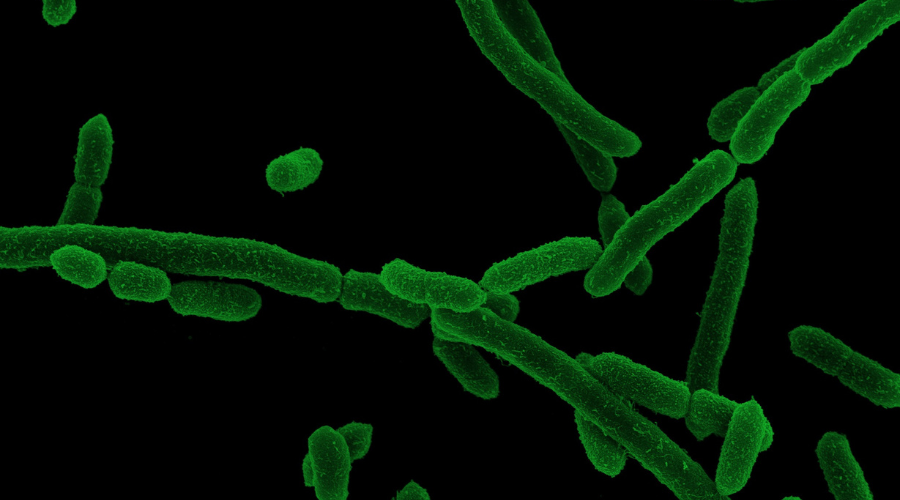
Researchers at the Helmholtz Centre for Infection Research have discovered new functional differences in the widespread gut bacterium Segatella copri. As the team reports in a recent study, some strains possess additional genetic material that makes them significantly more tolerant to oxygen. The findings were published in the journal Cell Host and Microbe.
The study focuses on the molecular regulator OxyR, which controls the bacterial response to oxygen. Strains of Segatella copri carrying OxyR survived exposure to oxygen far better than strains lacking this regulator. Using extensive genome analyses, the researchers also found that OxyR-containing strains are particularly common in industrialized countries.
“We suspect that these strains have a selective advantage in industrialized regions,” says Prof. Dr. Till Strowig, team leader of the study and RESIST researcher. Possible reasons include more frequent disturbances of the gut microbiome caused by antibiotics, as well as environmental changes that can temporarily increase oxygen levels in the gut.
The study demonstrates that bacterial strains of the same species can differ substantially at the genetic level, resulting in distinct adaptive capabilities. In future studies, the researchers aim to investigate how different Segatella copri strains affect human health.
The full article and a link to the publication can be found here: HZI | Genetic “bonus material” makes Segatella copri oxygen-tolerant
Publication:
El Mouali, Y., Tawk, C., Huang, K.D., Sivapornnukul, P., Mengoni, C., Segata, N., Strowig T. Biogeography-associated emergence of enhanced oxygen tolerance in the abundant human gut commensal Segatella copri. Cell Host & Microbe 34, 1–15 (2026). DOI: 10.1016/j.chom.2026.04.006
Image: © HZI / Mathias Müsken
Electron microscope image of Segatella copri (strain HDD04).