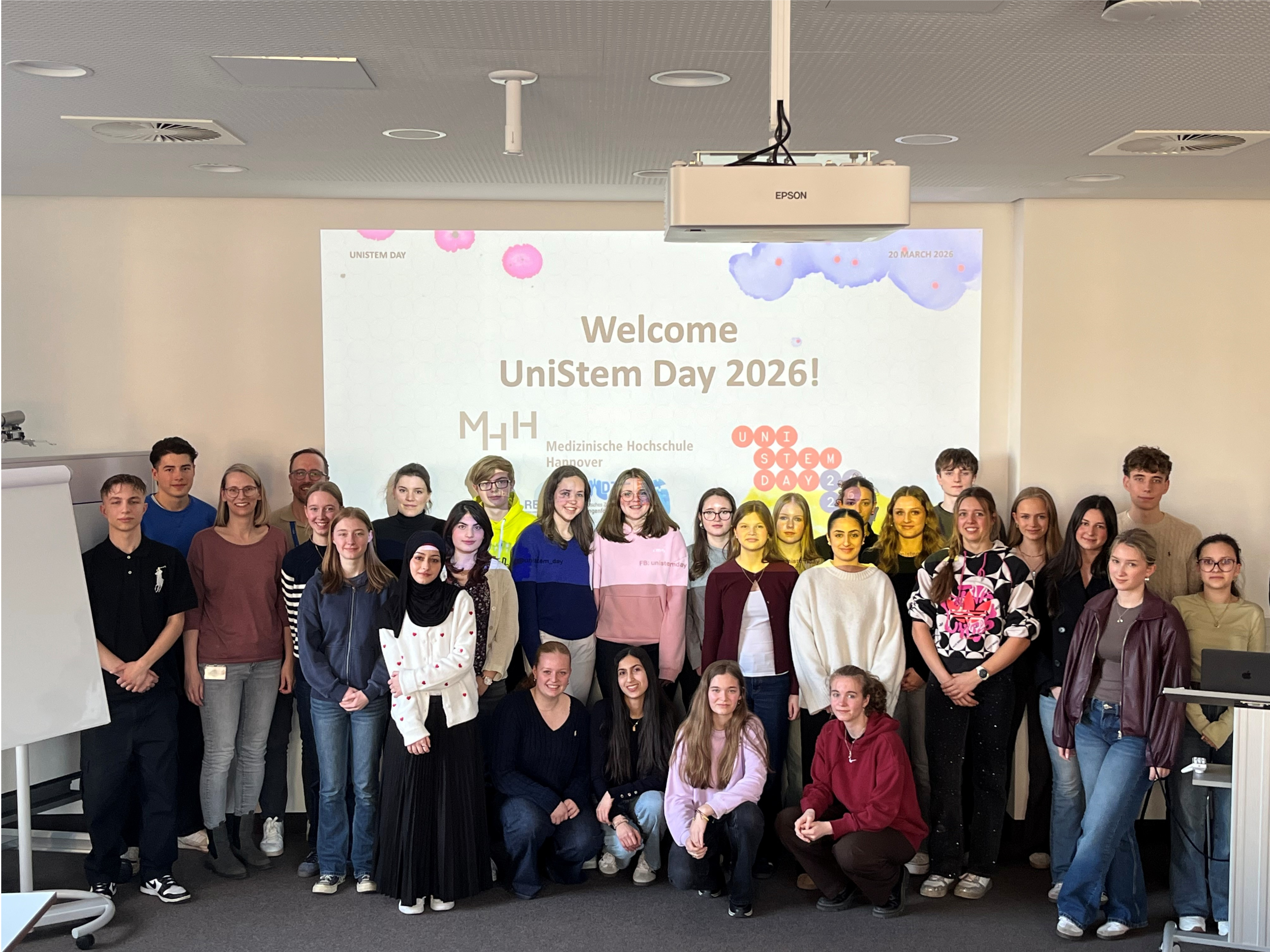

The Europe-wide education event UniStem Day once again inspired thousands of students to engage with stem cell research on March 20, 2026, including at the Hannover Medical School (MHH). The event, held in Germany since 2016 and now organized worldwide, brought together over 35,000 participants this year across more than ten European countries and additional international locations.
In Hannover, around 28 students from the city and surrounding region took part and gained an exclusive insight into current medical research and clinical practice. The day was organized by RESIST Prof. Lachmann, PD Dr. Ruth Olmer, and Dr. Sylvia Merkert, with support from the Excellence Cluster RESIST, MHH, and the German Center for Lung Research.
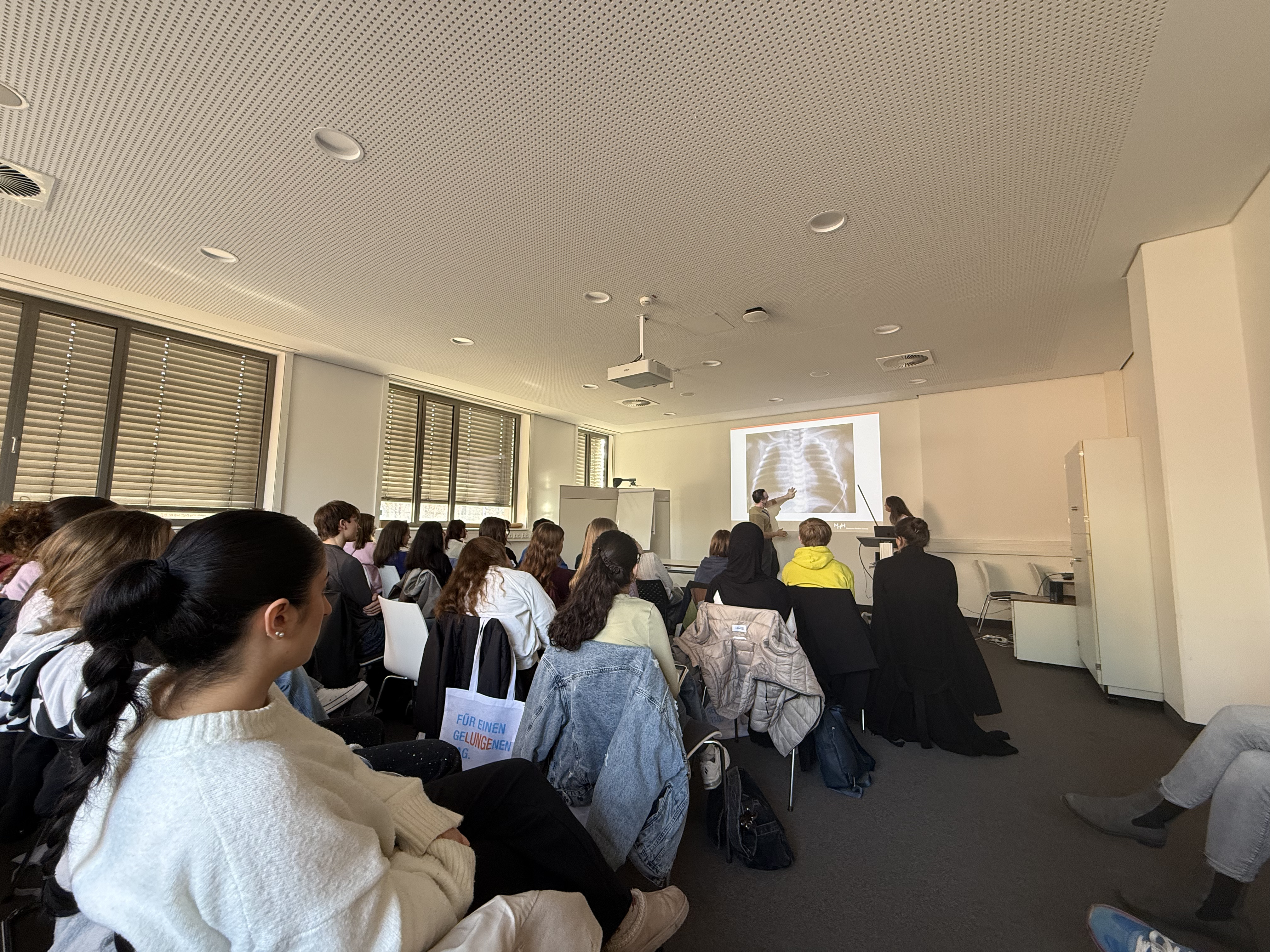
The event began with a welcome from stem cell researcher Prof. Dr. Nico Lachmann, who guided participants through the program. Expert lectures provided insights into various areas of medicine: Pediatric surgeon Dr. Nastassja Becker spoke about the congenital malformation esophageal atresia and explained treatment approaches as well as challenges in everyday clinical practice.
Another focus was on ethical questions in research. Prof. Dr. Nils Hoppe from Leibniz University Hannover highlighted historical and current aspects of medical ethics, connecting topics from the Nuremberg Trials to modern debates about patient rights and research standards. The case of Henrietta Lacks and the use of HeLa cells today illustrated the complex questions surrounding ownership, consent, and scientific progress.
After the lectures, students had the opportunity to get hands-on experience. In small groups, they worked on topics such as the heart, liver, gene therapy, blood, and clinical research.
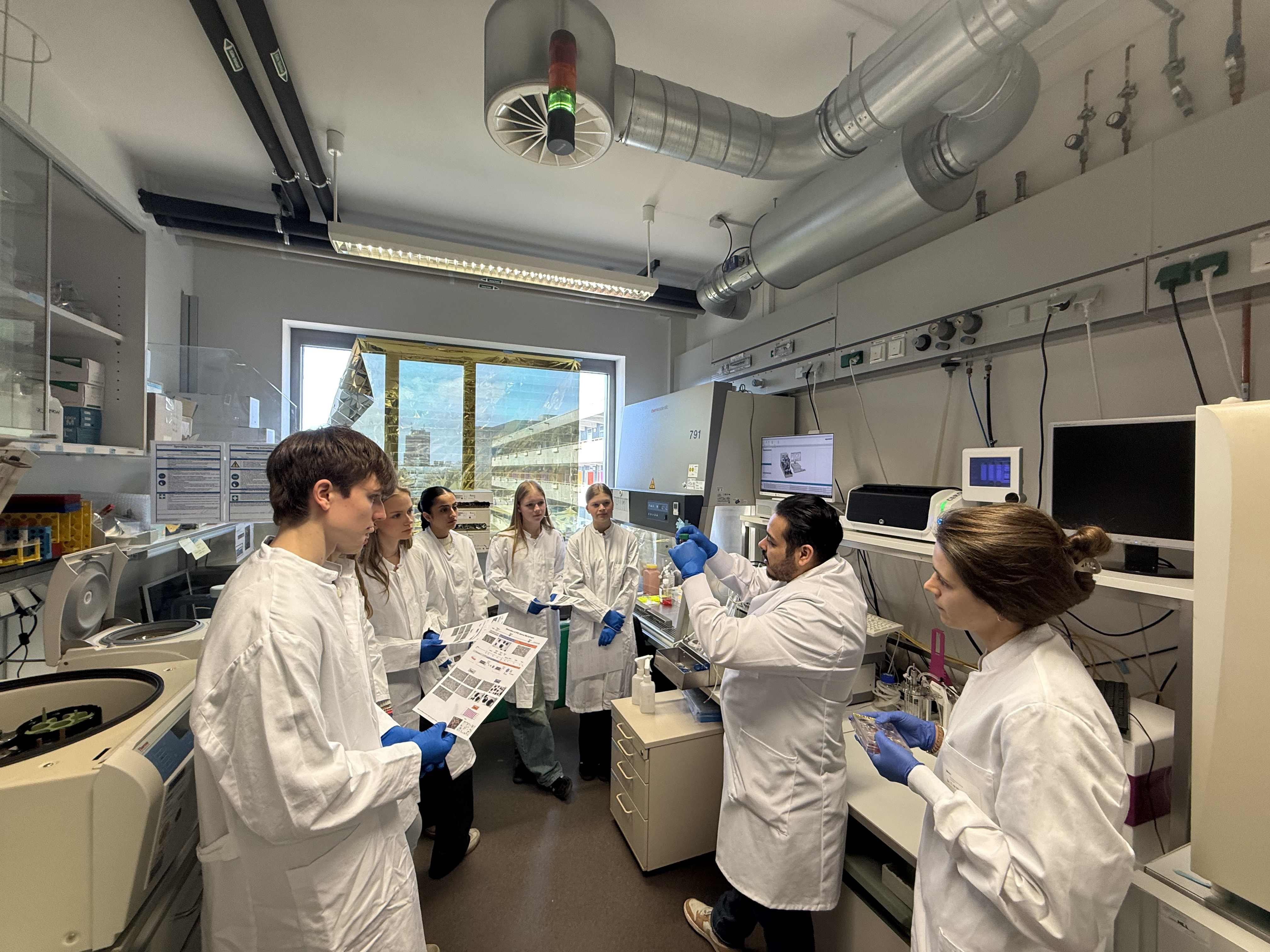
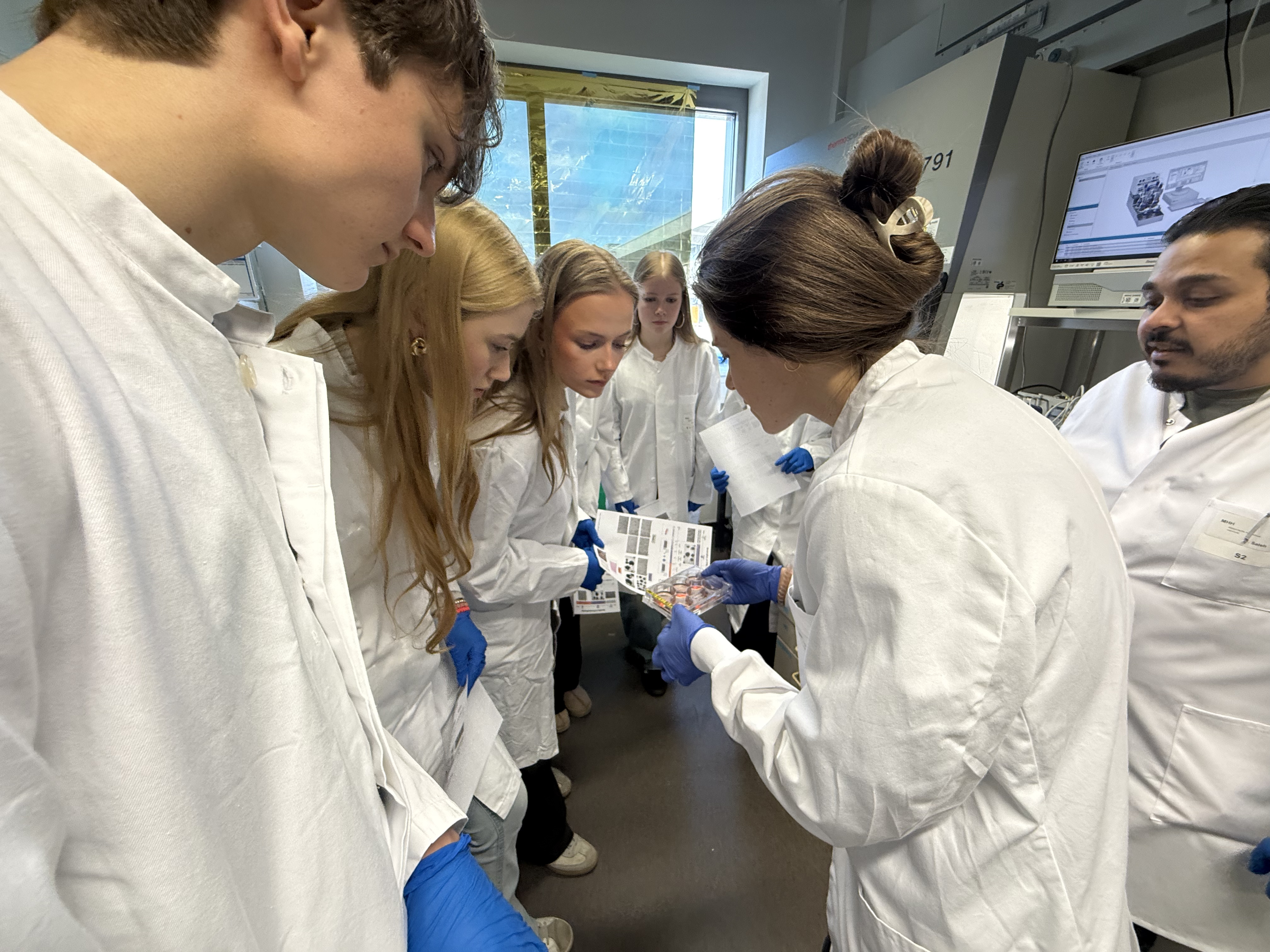
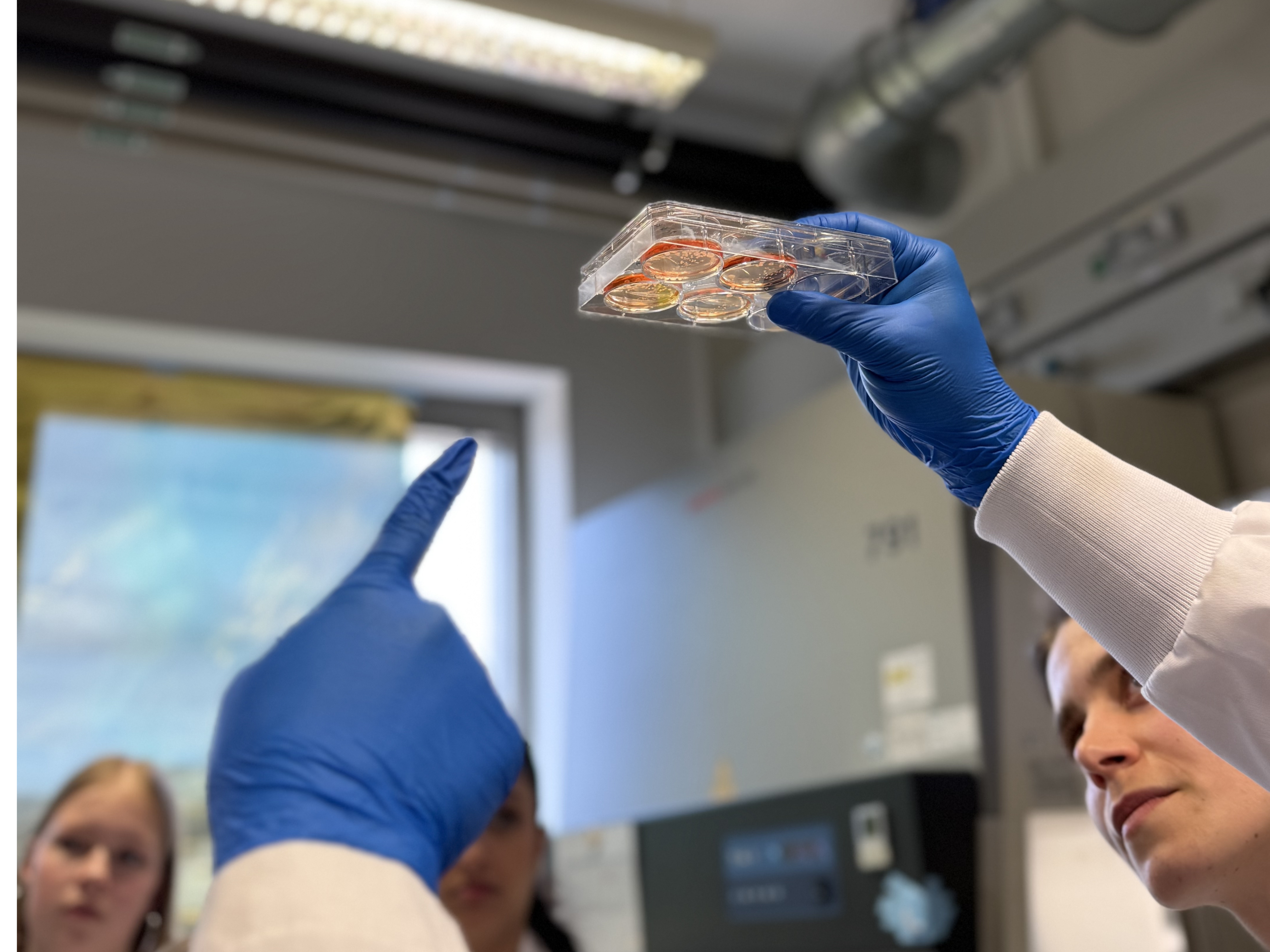
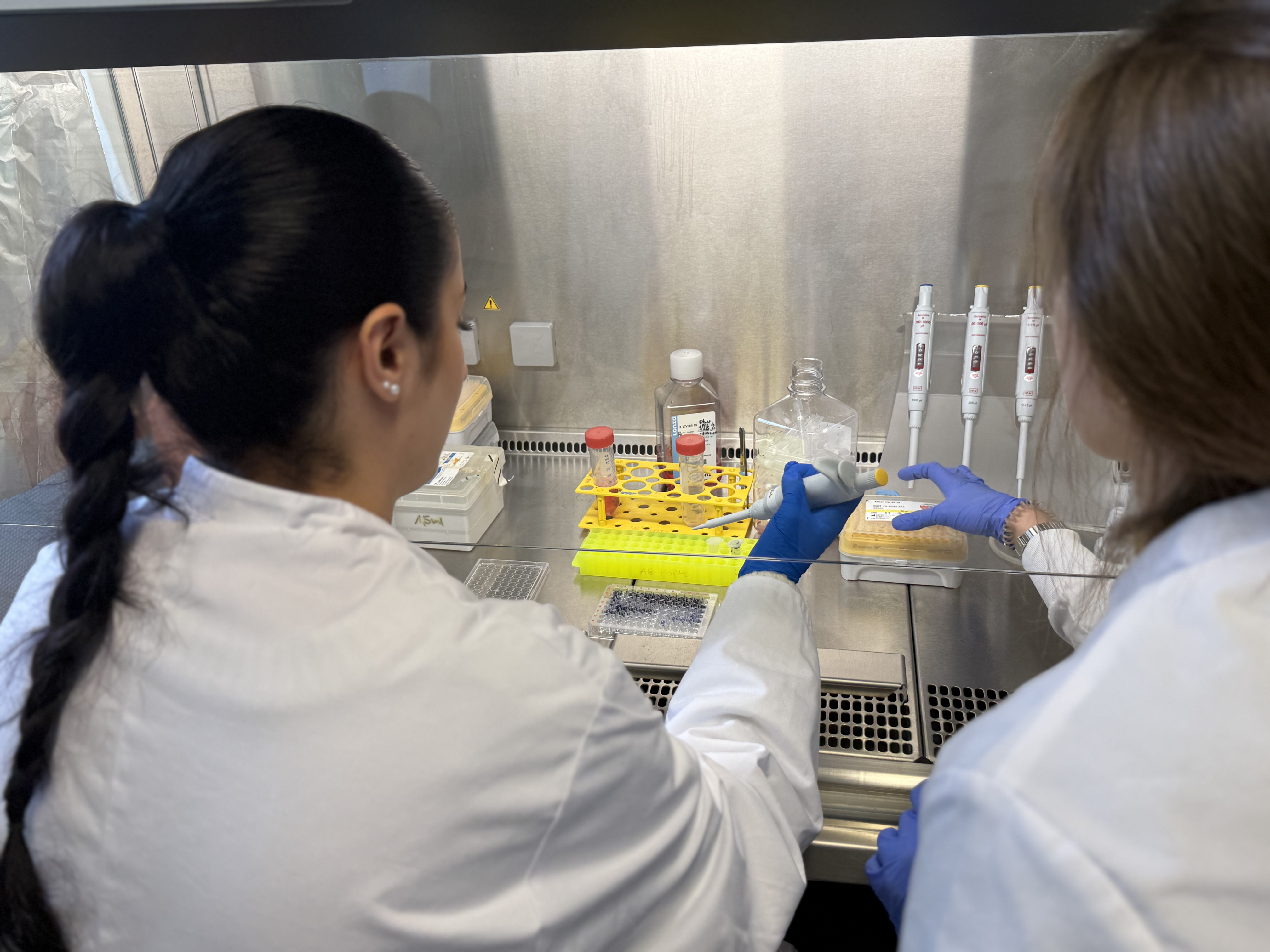
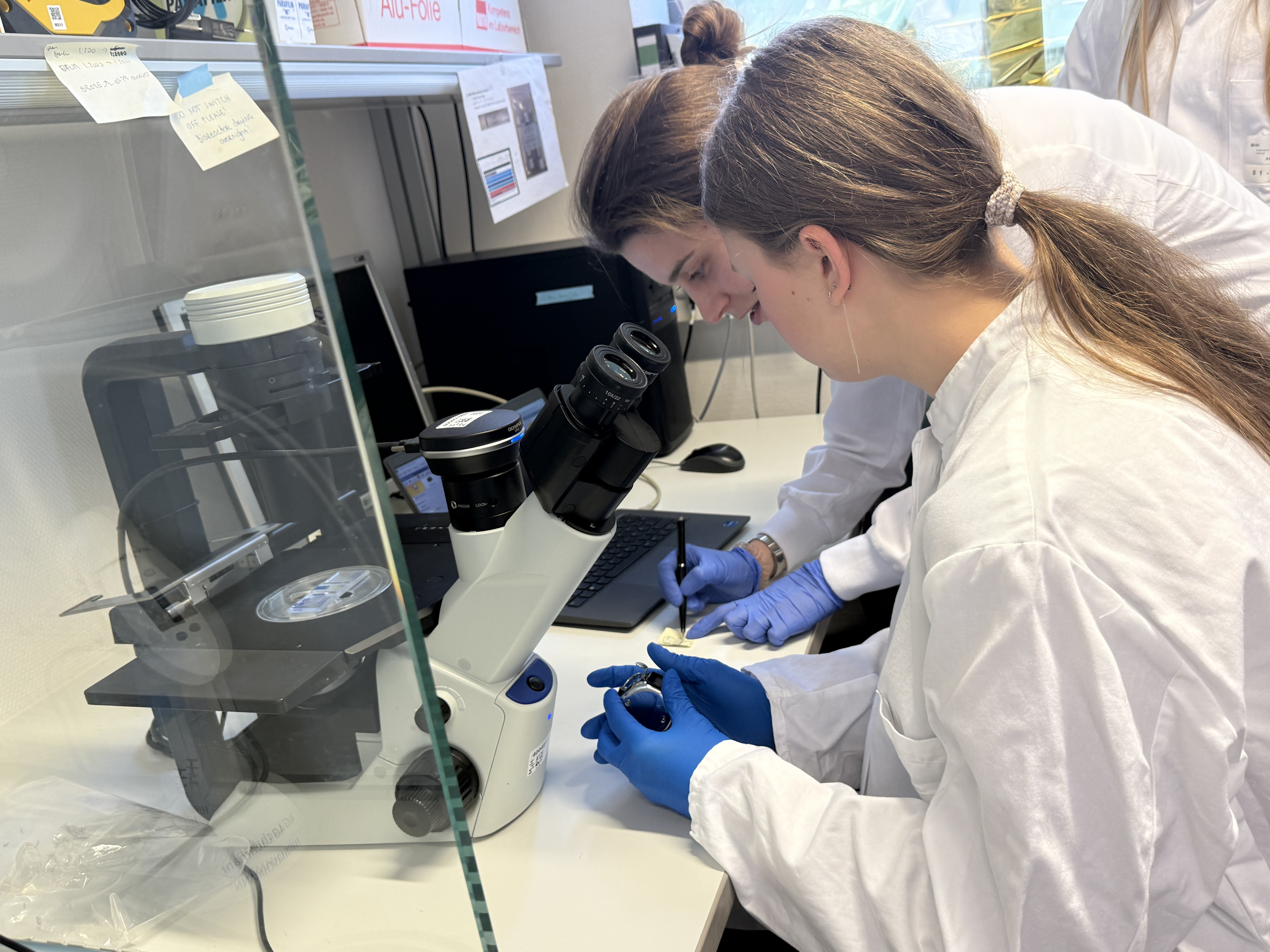
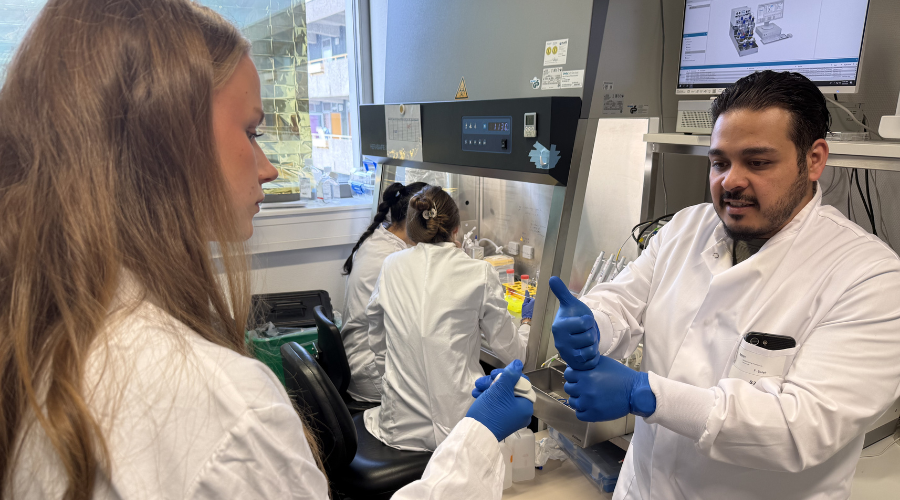
A particularly practical experience was the lab visit to Prof. Lachmann’s research group, where postdocs Fawaz Dr. Saleh and Dr. Cristiana Ulpiano offered insight into their daily work. Students learned how cells are extracted, cultured, maintained, and analyzed. Under guidance, they used modern pipettes, exchanged culture media and cell fluids, and observed cell cultures under the microscope. They also performed mathematical calculations together, for example, for preparing nutrient solutions. The enthusiasm of the students was palpable, as was their high level of expertise, with many easily understanding the content even in English.
The research group focuses on developing innovative, cell-based therapies, particularly for lung diseases. Induced pluripotent stem cells play a central role in developing new immunotherapies and understanding disease mechanisms more effectively.
In the afternoon, PD Dr. Robert Zweigerdt presented current research projects on heart development and regenerative medicine. Highlights included artificially grown heart tissue and modeling heart diseases in the lab.
The day concluded with an open discussion with physicians, students, and researchers from various disciplines. In a feedback session, participants expressed their excitement: In addition to gaining solid knowledge, they were able to acquire practical experience and gain a realistic view of scientific career paths.
UniStem Day 2026 at MHH once again successfully bridged the gap between schools and cutting-edge research, inspiring many young people to consider a future in the natural sciences.