


RESIST Provides the Scientific Foundation for a Potential PSC Therapy
The currently incurable liver disease “primary sclerosing cholangitis (PSC)” affects approximately one in 10,000 people in Germany. Characterized by chronic inflammation of the bile ducts, PSC frequently leads to severe complications, including the need for liver transplantation. To date, treatment options are limited to managing symptoms, often through the use of broad-spectrum antibiotics, which may promote the development of antimicrobial resistance.
Researchers at Hannover Medical School and the Helmholtz Centre for Infection Research are now developing an innovative therapeutic approach within the “StopPSC” project. The focus is on the targeted inhibition of bacterial enzymes known as sialidases, which attack the bile ducts and promote inflammation. Rather than killing bacteria, so-called pathoblockers are designed to specifically block their pathogenic mechanisms.
The project builds substantially on prior work conducted within the Cluster of Excellence RESIST, which is dedicated to the study of antibiotic-resistant infections. With its expertise in bacterial disease mechanisms, RESIST provides the scientific foundation for this novel therapeutic strategy. The goal is to develop a patentable active compound with the potential for future clinical application.
StopPSC is funded with €2 million under the “zukunft.niedersachsen” initiative. The German Center for Infection Research (DZIF) is also supporting the project.
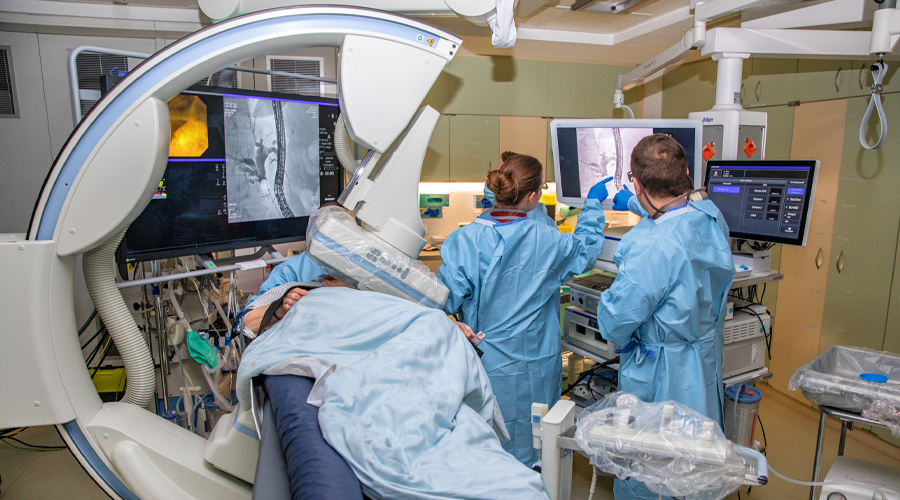
Foto: During a bile duct endoscopy: Dr. Friederike Klein and Prof. Benjamin Heidrich discuss on screen what they can see endoscopically during the examination of the patient.
Copyright: Karin Kaiser/MHH